A quick video showing you how to replace damaged siding on your house all by yourself.
Patch lap siding how remove nails top row.
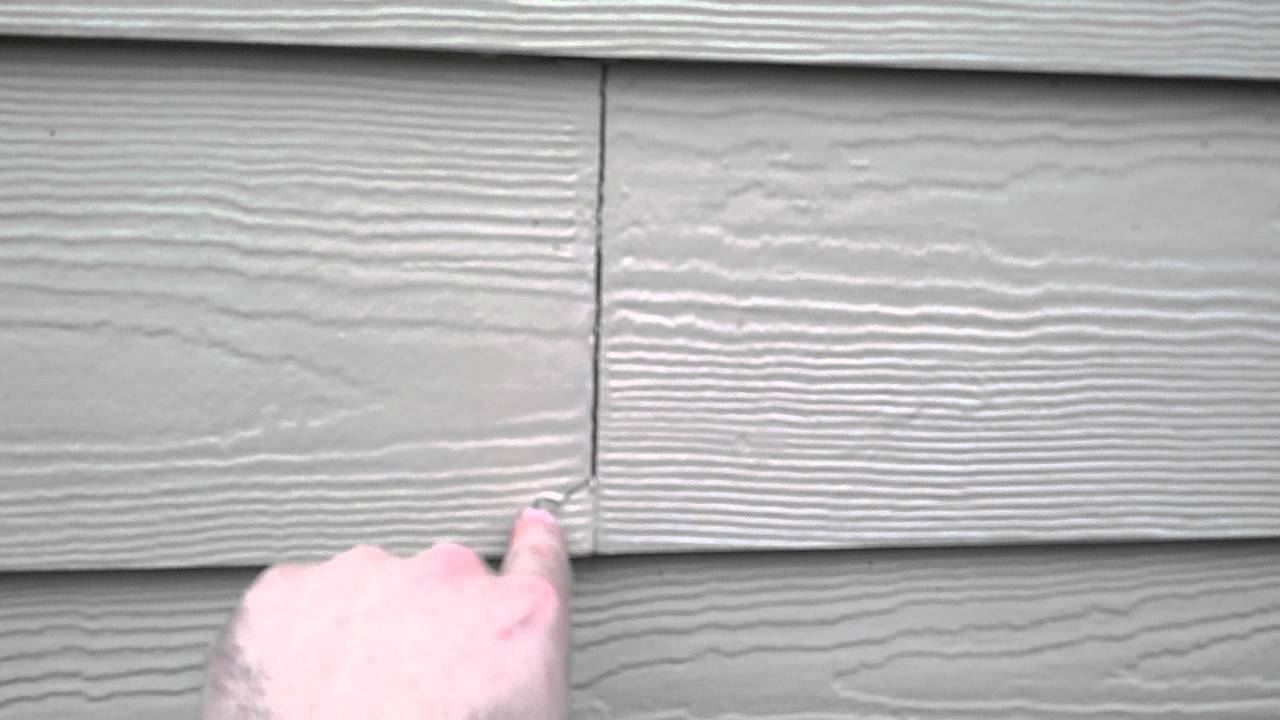
Caulk the edges of the patch with acrylic latex caulk.
Cut the nails at the bottom of the row above the boards you re replacing.
When the caulk is dry paint the new siding to match the rest of the house.
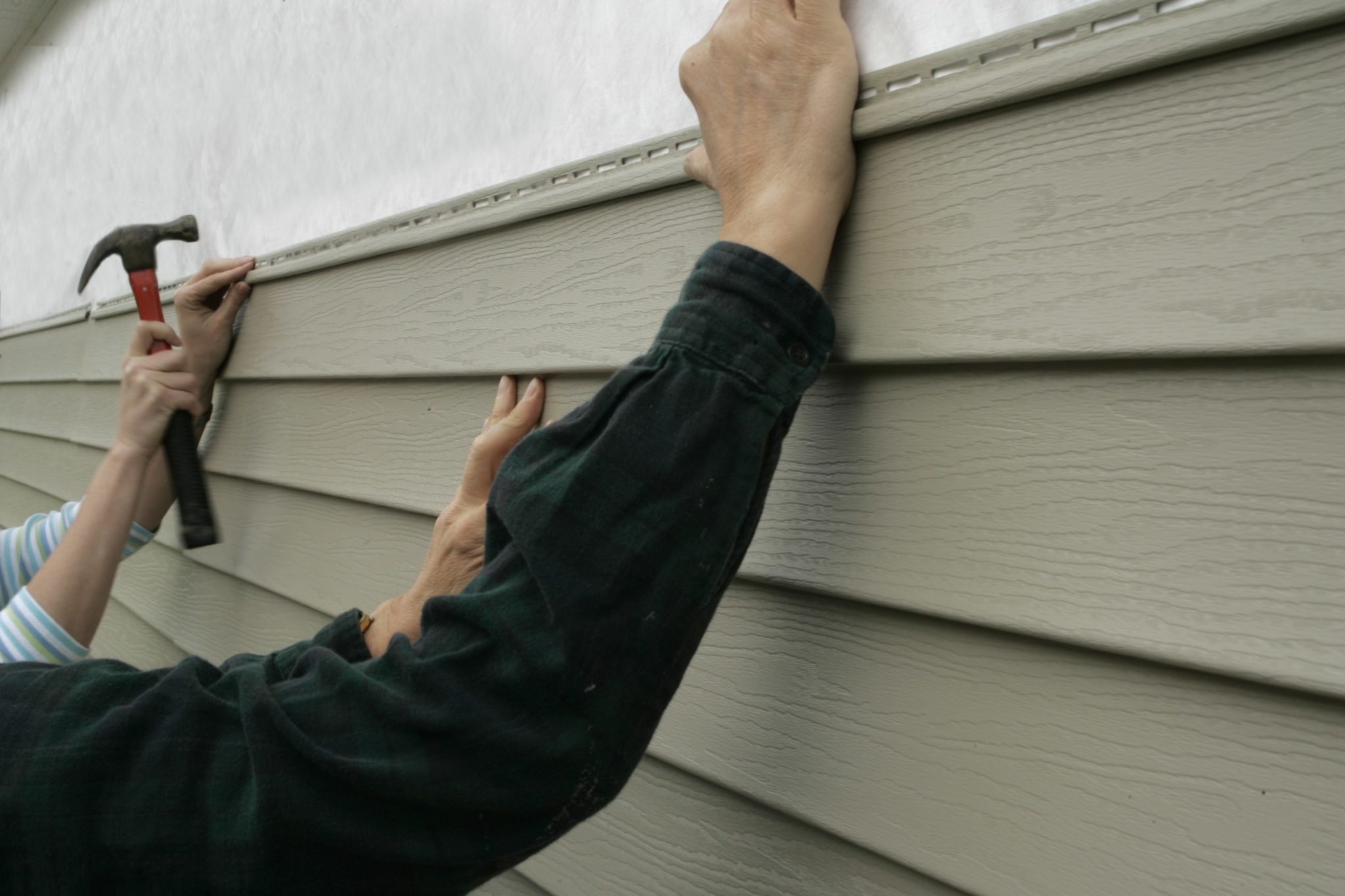
Nail the board into place with 16d nails driven through the bottom and through the board above into the top edge.
Remove the nails in the corner cap.
Once all the nails are removed from the adjoining board the damaged one should just pull out.
On thick profiles of siding nails may be hidden meaning they are driven into the upper portion of a board so they are covered by the lower part of the board above it.
Score down the damaged lap siding with a utility knife.
As a result siding boards have two rows of nails.
The installer nails the top edge of the first length of vinyl into place and the top edge contains a channel to secure the next length of vinyl.
Installation progresses this way up the side of the house.
To get at the nails carefully wedge out the bottom of the siding 1 8 to 3 16 in.
Remove the nails on the lap board then use the claw of the hammer to split the board down the center image 1.
Work your way up the wall with this method.
The top piece in the repair area will need to be nailed through the bottom edge of the row above it.
Use a small hacksaw with a sharp blade.
As its name lap implies an upper siding board laps over the board below it by 1 to 2 inches.
Hardieplank comes in a wide range of colors finish textures board widths and trim pieces and is designed for long term use of 30 years or.
The new siding is attached with galvanized nails to each stud at the top of the board so it will be concealed by the next piece.
Where a piece of siding overlaps the piece beneath it the installers drive a row of nails through both layers.
Cutting the nails will let you remove rotted boards without damaging those your e saving.
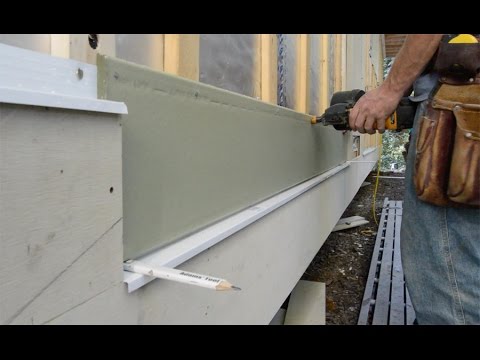
Hardieplank is applied as lap siding and installed over a water resistant barrier product using a blind nailing or screw in method and occasionally a face nailing technique for very high wind applications.
Some adjustment may be needed to complete installation of the top row of siding.